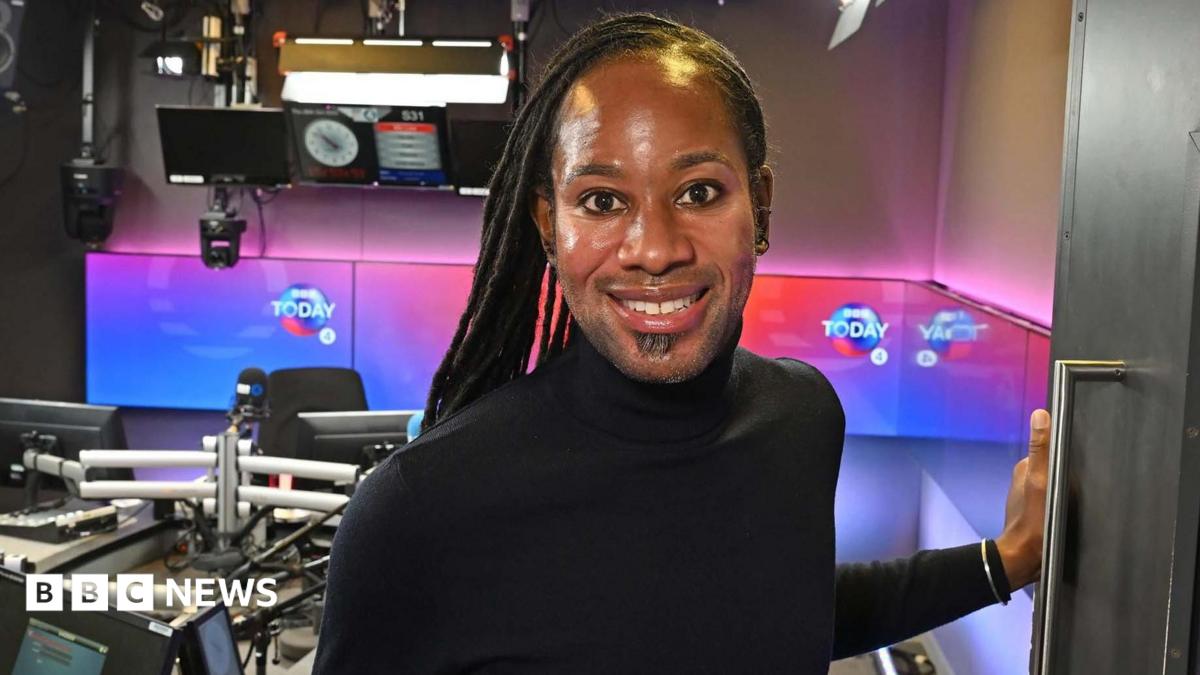
The sudden death of former Cambridge professor Jason Arday has prompted an outpouring of grief and calls for reflection from political leaders, academics, and public figures. Arday, 41, was found dead at a residence in Battersea, south London, on Friday afternoon.
Prime Minister Andy Burnham described the loss as "a tragedy on so many levels," urging a period of contemplation rather than immediate judgment. Speaking during a visit to Cornwall, he emphasized the need to examine how such a devastating outcome could occur. "This is not a moment for rushing to conclusions," Burnham said. "It is a moment for reflection, for understanding how circumstances led to this heartbreaking situation."
In a statement released by his publisher, Simon & Schuster UK, Arday’s family expressed their profound shock and sorrow. "We have lost an incredible father, partner, brother, uncle, and son," they said. They attributed his decline to what they called a "campaign of misinformation" that overwhelmed him in his final weeks.
Arday had recently resigned from his position as Cambridge’s professor of sociology of education following allegations of plagiarism and questions about certain aspects of his professional background. He had consistently denied the accusations, though he acknowledged errors in some of his earlier work. Last week, he cited the "personal cost" of the scrutiny as unbearable, stating that the "relentless accusations, speculation, and public commentary" had taken an immense toll on him and his loved ones.
A close friend, Eamonn McCrystal, who knew Arday from their time together at St Mary’s University, Twickenham, shared his devastation with the BBC. "He was the kindest person, so gentle and warm," McCrystal said. "We worked together when I started the student radio station, and he was always supportive. I can’t believe he’s gone." McCrystal recalled Arday’s distress in their final conversations, where he spoke of feeling "destroyed" and revealed that his authorization to travel to the U.S. had been revoked. Despite attempts to reassure him, Arday confided that he saw no way forward.
Tributes poured in from across the academic and political spheres. The University of Cambridge’s vice-chancellor, Professor Deborah Prentice, expressed the faculty’s deep sadness, extending "heartfelt sympathies" to Arday’s family and friends. Education Secretary Lucy Powell echoed the sentiment, describing herself as "deeply shocked and saddened" and urging the public to remember the human cost behind the headlines.
London Mayor Sadiq Khan condemned the "unrelenting media scrutiny" Arday endured, calling it an "unacceptable public hounding and campaign of abuse." In a post on X, Khan framed Arday’s death as a tragedy that should serve as a "wake-up call" for society. "This was a pernicious public shaming, and we must all reflect on the consequences of such treatment," he wrote.
A fundraising effort launched by Windrush campaigner Sir Patrick Vernon has already raised over £10,000 to assist Arday’s family with funeral expenses. Vernon emphasized the need for compassion, writing, "Today should be about dignity and solidarity with a grieving family. Jason’s life was far greater than the controversy that overshadowed his final weeks."
A vigil organized by the group Stand Up To Racism is scheduled for Monday evening on the steps of the National Gallery in Trafalgar Square. The organization’s co-convenor, Weyman Bennett, described Arday’s death as "the result of a racist witch hunt," a sentiment echoed by others in academia. Jo Grady, general secretary of the University and College Union, called the harassment Arday faced "sickening" and demanded an investigation into the racism he endured.
Lord Paul Boateng, the UK’s first Black cabinet minister, told BBC Newsnight he was "horrified, shocked, and deeply saddened" by the news. "Racism in academia is a fact of life and needs to be addressed," he stated. Daniel Kebede, general secretary of the National Education Union, similarly condemned the "public and brutal takedown" of Arday, warning that it sends a chilling message to Black academics and those from underrepresented backgrounds about the risks of holding prominent positions.
Professor Simon Baron-Cohen, director of the Autism Research Centre at Cambridge, revealed that he had spoken to Arday on the morning of his death. Baron-Cohen described Arday as "incredibly kind, gentle, and caring," but said he had felt trapped, unable to leave his home. "He was bombarded by media outlets portraying him as a fraud," Baron-Cohen told BBC Radio 4’s Today programme. "He told me he felt his life had been destroyed by a campaign against him over the past three years."
Kehinde Andrews, a professor of Black Studies and a friend of Arday, painted a grim picture of his mental state in the days leading up to his death. Speaking to Newsnight, Andrews said Arday was "very down" after resigning from Cambridge, having lost a significant amount of weight and rarely leaving his home. "This should be a wake-up call to how dire the situation is for Black academics in higher education," Andrews said. Labour MP Bell Ribeiro-Addy added that the level of media scrutiny Arday faced was unprecedented for an academic, calling it "unheard of."
Scotland’s First Minister, John Swinney, weighed in on Saturday, urging those who had made harsh public comments to consider the impact of their words. "This is a deeply concerning and very sad case," he said. Shadow Communities Secretary Sir James Cleverly expressed anger over the "tragic" outcome and suggested that multiple academic institutions must answer for their role in the events leading to Arday’s death. When asked if Cambridge had failed in its duty of care, Cleverly responded that the university should examine how Arday became the center of such a storm and what could have been done to prevent it.
The controversy surrounding Arday began when Nathan Cofnas, a self-described "race realist" who was dismissed from his role at Cambridge earlier this year, accused him of plagiarism. Arday denied the allegations but admitted to errors in his early academic work, attributing them to his autism. He explained that he had relied on mimicry to process information, a method that led to unintentional oversights. He also noted that similar scrutiny would likely uncover comparable issues in the work of other academics.
Questions were also raised about certain aspects of Arday’s personal history, including claims that he had run 600 miles in six days and raised £5.5 million for charity. Arday later clarified that the run had taken place over 12 days to include rest periods and that the fundraising total was achieved with the help of others.
Arday’s appointment as Cambridge’s youngest Black professor at the age of 37 in 2023 was widely celebrated at the time. In his resignation statement last week, he reiterated that his decision was not an admission of guilt but a response to the unbearable personal toll of the scrutiny. "While criticism is part of academic life, what I experienced went far beyond scholarly disagreement," he wrote. "The relentless accusations and public commentary have deeply affected me and those I care about."
In response to the controversy, the University of Cambridge announced an independent investigation into the circumstances of Arday’s appointment. Liverpool John Moores University, which awarded Arday his PhD in 2015, previously concluded that he had not engaged in plagiarism. A spokesperson for the university expressed sadness over his death, calling it a "tragic loss."
For those affected by the issues discussed in this article, support is available through the BBC Action Line.
Topics
Written by
R Raman
Coverage published by The NorthLine Post editorial team with review for clarity, sourcing, and newsroom standards.
View all articlesEditorial Disclosure
Source material: feeds.bbci.co.uk
AI tools assisted drafting. Human editors reviewed and approved this story before publication.
Comments (0)
Join the conversation and share your thoughts.
Leave a Comment
Recommended For You
The Office Whip-Round Economy: Navigating Etiquette, Pressure, and the Politics of Spare Change
Sánchez Defends Government's Response to Ceuta Border Crisis, Rejects Warnings Allegations

UK Minister Pledges Crackdown on 'Mega-Donors' as Burnham Joins Campaign Finance Fight

No comments yet
Be the first to share your thoughts!